Call This Friday to Get $50 Off

Schedule a Local Plumber in Morgantown Area - Call us Now to Get $35 OFF.
4.8 / 5 Ratings based on 794 reviews Great Plumbers, Great Reviews

Call This Friday to Get $50 Off
Schedule a Local Plumber in Morgantown Area - Call us Now to Get $35 OFF.

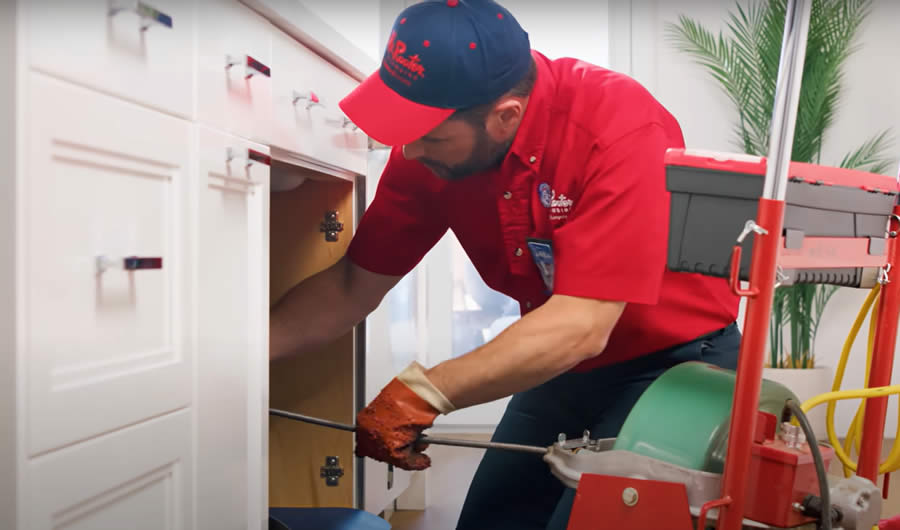
A clogged sink or slow-moving shower drain can quickly turn a normal day into a frustrating experience. Standing water, unpleasant odors, and slow drainage often push homeowners to search for the fastest possible solution. Store-bought drain cleaners promise convenience, speed, and an easy fix without calling a plumber in Morgantown, WV. These products are widely available in supermarkets and hardware stores, making them seem like a practical first step. The packaging often suggests that a simple pour down the drain will dissolve buildup and restore proper flow within minutes. However, the powerful chemicals that make these products effective can also create problems for plumbing systems over time. Pipes, fittings, and seals are designed to carry water safely, not necessarily withstand repeated exposure to corrosive substances.
In this blog post, our professionals from Mr. Rooter Plumbing will talk about how store-bought drain cleaners work and if they damage pipes.
Many store-bought drain cleaners rely on strong chemical reactions to break apart clogs. These formulas typically contain substances such as sodium hydroxide or sulfuric acid, which generate heat as they react with organic material inside the pipe. Hair, grease, soap residue, and food debris can dissolve through this process, clearing a pathway for water to flow again. The intense heat and chemical activity, however, do not only affect the clog. Pipe interiors can also be exposed to the same reaction. Older plumbing systems, particularly those with metal pipes, may become vulnerable to corrosion or weakening after repeated treatments. Plastic pipes can also experience damage if the chemical reaction becomes too hot. Although the cleaner may remove a blockage temporarily, the surrounding plumbing materials may slowly degrade with continued use.
Homes with aging plumbing systems face a greater risk from chemical cleaners. Metal pipes that have been in place for decades may already have small areas of corrosion or thinning walls. Adding a harsh chemical compound into that environment can accelerate deterioration. Even a single use might not cause immediate failure, but the long-term effects can contribute to cracks, leaks, or weakened pipe joints. A professional plumber often encounters plumbing systems that have been repeatedly exposed to chemical cleaners, revealing damage that eventually requires significant repair. At that point, the only solution may involve repiping sections of the plumbing network. What began as a quick attempt to fix a clog can evolve into a costly repair project that could have been avoided with safer drain cleaning methods.
One of the lesser-known dangers of chemical cleaners is the heat generated during the reaction process. As the cleaner interacts with organic material, temperatures can rise significantly inside the pipe. This heat may soften certain plastics or stress metal pipes and fittings. The problem becomes more severe if the clog prevents the cleaner from moving freely through the drain line. Instead of flowing away, the chemical mixture can sit in one location for an extended period, increasing the intensity of the reaction in a confined space. Pipe seals, connectors, and older joints may struggle to withstand this heat and pressure. Over time, repeated exposure can lead to leaks that require a trained plumbing service to correct.
Chemical cleaners often provide only a short-term solution since they rarely remove the entire clog. Grease buildup along the pipe walls, mineral deposits, or dense debris may remain partially intact after the chemical reaction subsides. Water might begin flowing again, but the remaining residue can quickly trap additional material. This creates a cycle where clogs return again and again, leading to repeated use of chemical cleaners. Each application adds more stress to the plumbing system while failing to address the underlying cause of the blockage. Expert drain cleaning methods used by a plumber, such as mechanical augers or hydro jetting, typically remove buildup more thoroughly and restore the pipe’s full interior diameter.
Are you in need of a plumbing service? Luckily, we at Mr. Rooter Plumbing have dedicated workers ready at your disposal. Contact our representatives for more questions.
Jun,01,2026
As sewer repair experts who’ve been around for some time, we can confirm that much…
Read More+
May,28,2026
Bathroom plumbing often takes a back seat when homeowners undertake home improvements. Most people focus…
Read More+
May,22,2026
At Mr. Rooter Plumbing, we understand that water line replacement is a significant project…
Read More+